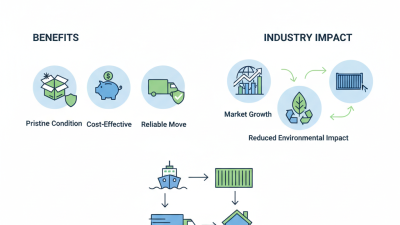
Top Benefits of Using Second Hand Shipping Containers for Your Projects?
The use of second hand shipping containers has gained momentum in recent years. According to a report by Allied Market Research, the global shipping container market was valued at $8 billion in 2020. This figure is expected to grow as industries start to recognize the benefits of reusing these containers. Affordable and durable, second hand shipping containers can significantly reduce project costs.
Many businesses and individuals are tapping into this resource. One interesting statistic reveals that using second hand containers can lower construction costs by up to 30%. This percentage is compelling for startups and small projects facing budget constraints. Moreover, they provide versatility; you can utilize them for storage, offices, or even homes.
However, not all second hand shipping containers are in pristine condition. Buyers often face the challenge of ensuring quality and structural integrity. It's vital to inspect thoroughly before purchasing. Despite these challenges, the advantages remain substantial, making them an attractive option for various applications. Overall, the shift towards using second hand shipping containers aligns with sustainability goals, supporting a circular economy.
Benefits of Cost Efficiency in Second Hand Shipping Containers
Using second-hand shipping containers can greatly enhance your project's cost efficiency. These containers are often available at a fraction of the price of new ones. For many businesses, this translates to significant savings. A good quality used container typically costs around 50% less than its new counterpart. This affordability means more budget flexibility for other crucial aspects of a project.
Moreover, purchasing used containers can lead to financial sustainability. You invest less upfront, allowing for better resource allocation. However, it’s essential to inspect each container carefully. Some might show signs of wear. Rust and dents may be common, and addressing these issues can add to your costs. Nevertheless, if you're willing to invest time in maintenance, the benefits can outweigh these potential drawbacks.
Another aspect to consider is the environmental impact of reusing materials. Many containers end up in landfills after a single journey. By choosing second-hand, you play a role in reducing waste. However, balancing cost and eco-friendliness requires thoughtful consideration. Not every used container will meet your needs or standards. This approach needs a critical eye to ensure you don't compromise on quality while maximizing efficiency.
Environmental Advantages of Using Recycled Shipping Containers
Recycled shipping containers offer unique environmental advantages. Each year, millions of containers are left unused. Choosing to repurpose them helps reduce this waste. Using second-hand containers can significantly lower the demand for new materials. This, in turn, conserves natural resources like timber and steel.
Moreover, recycling these containers cuts down on greenhouse gas emissions. Fewer resources needed means less energy consumed in production. Transporting new materials often adds to carbon footprints. When you use existing materials, you’re lessening that impact significantly.
It's important to acknowledge the imperfections of second-hand containers. Some may come with dents or rust. These flaws can serve as reminders of their journey. However, with creativity, these imperfections can be transformed into unique features. Reflecting on the stories behind each container adds character to your project.
Top Benefits of Using Second Hand Shipping Containers for Your Projects - Environmental Advantages of Using Recycled Shipping Containers
| Benefit |
Description |
Environmental Impact |
| Reduced Waste |
Using second hand shipping containers helps divert waste from landfills. |
Minimizes landfill contribution and promotes waste reduction. |
| Resource Conservation |
Recycling shipping containers means fewer new materials are needed. |
Lowers demand for new steel production, conserving natural resources. |
| Lower Carbon Footprint |
Reusing containers can significantly reduce carbon emissions. |
Less energy is consumed in recycling compared to manufacturing new containers. |
| Versatile Reuse |
Containers can be repurposed for various projects – offices, homes, etc. |
Encourages sustainable building practices and innovative designs. |
| Affordable Solutions |
Second hand containers are generally available at lower prices. |
Cost-effective for businesses, promoting economic sustainability. |
Versatility of Second Hand Containers for Various Projects
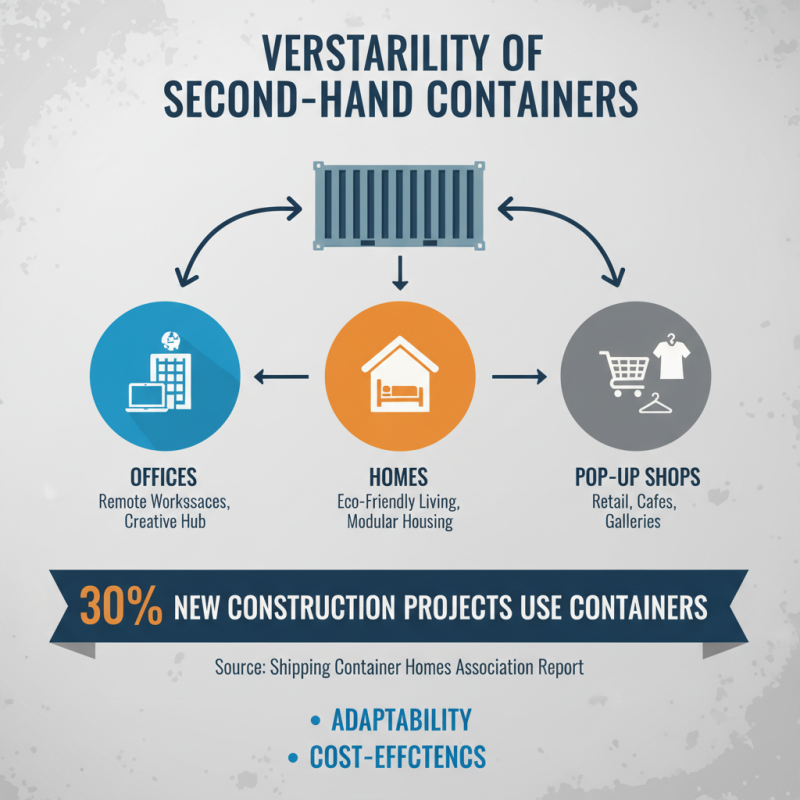
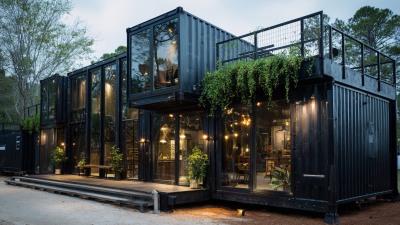
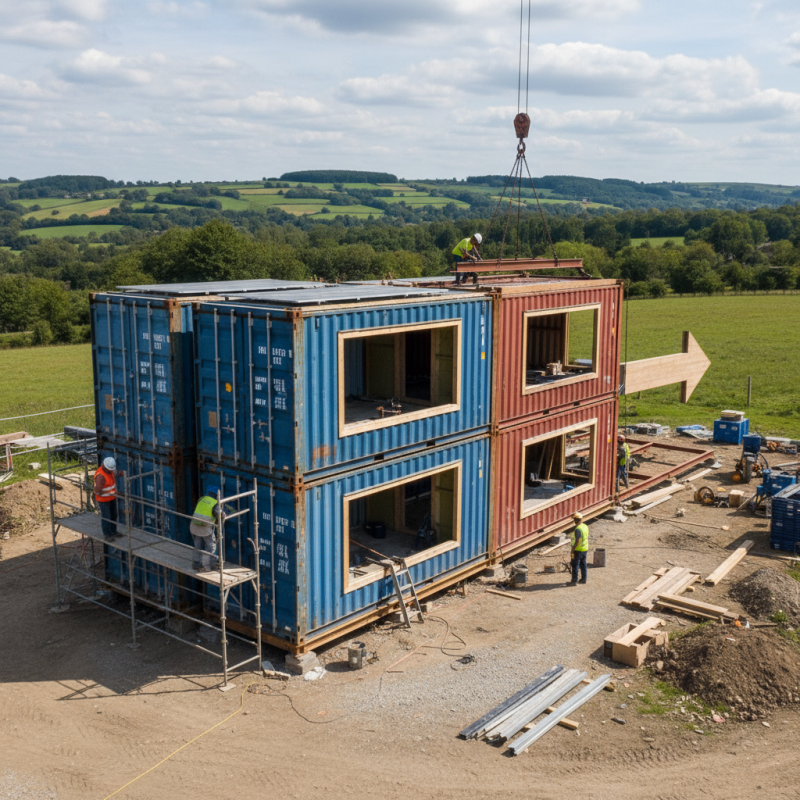
Second-hand shipping containers offer incredible versatility for numerous projects. They can be transformed into offices, homes, and pop-up shops. A recent report from the Shipping Container Homes Association states that over 30% of new construction projects are opting for these containers. This surge is largely due to their adaptability and cost-effectiveness.
These containers provide a blank canvas. Add windows, insulation, and doors, and they become livable spaces. According to a study by the Container Housing Coalition, 80% of projects utilize basic modifications, which makes it an efficient solution for budget-conscious builders. However, sourcing quality containers can be challenging. Inspecting for structural integrity is crucial. Many containers may show signs of wear and tear, needing extra care.
Second-hand containers also contribute to sustainability. Using recycled materials reduces waste significantly. In fact, the EPA highlights that repurposing containers can decrease landfill contributions by 75%. While the benefits are clear, it's essential to recognize potential issues. Not all containers meet local building codes. It's vital to research regulations before proceeding with any project.
Durability and Structural Integrity of Used Shipping Containers
Used shipping containers offer impressive durability and structural integrity. These containers are built to withstand harsh marine environments. They are engineered from corten steel, known for its strength and resistance to corrosion. Even after years of use, many containers remain structurally sound. This makes them a valuable option for various projects.
While they are robust, it is essential to inspect each container. Some may have visible wear and tear. Look for rust spots or dents that could affect stability. Make sure to check their condition before committing to a purchase.
Minor imperfections can be easily repaired. However, significant damage may compromise their structural integrity.
For those seeking innovative project solutions, repurposed containers are a wise choice. They can be transformed into homes, offices, or pop-up shops. Their modular nature allows for creative designs. With proper modifications, these containers can be safe and functional.
Remember, not every container is suited for every project. Conduct careful evaluations to ensure the best fit for your needs.