Top Benefits of Using Refrigerated Containers for Your Shipping Needs
In the rapidly evolving logistics landscape, the need for efficient and reliable shipping solutions is more critical than ever. Refrigerated containers have emerged as a game-changer for businesses looking to transport temperature-sensitive goods across vast distances. According to logistics expert Dr. Emily Thornton, “Refrigerated containers not only ensure the freshness of perishable products but also extend their shelf life, providing vendors with more market flexibility.” This technology has transformed how industries operate, from food and beverage to pharmaceuticals, by maintaining the integrity of their products during transit.
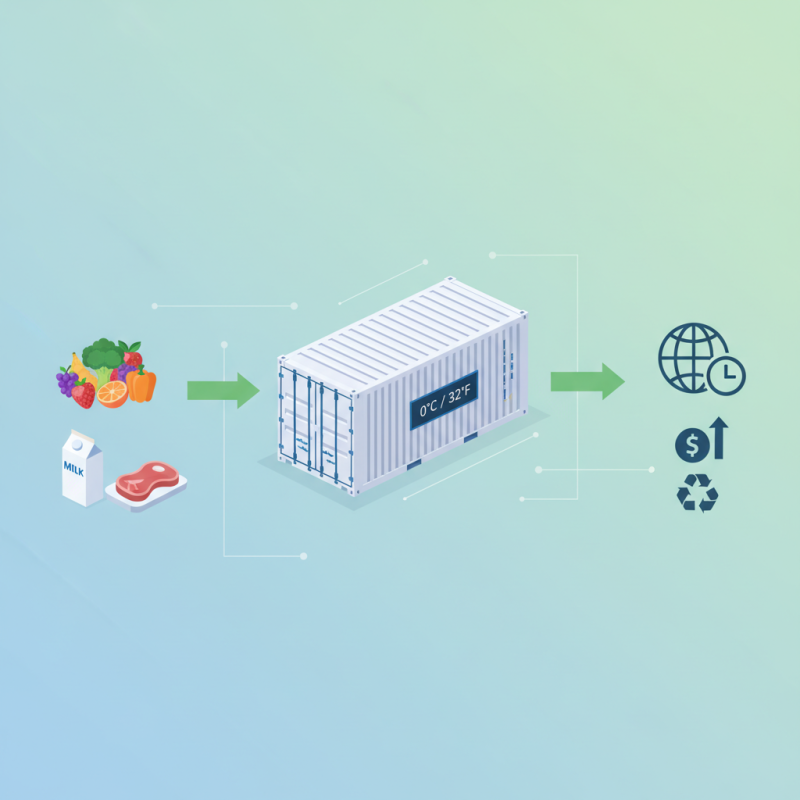
The benefits of using refrigerated containers are manifold. They offer precise temperature control, which is vital for preserving the quality of perishable items such as fruits, vegetables, dairy, and meats. Furthermore, these containers enhance supply chain efficiency by reducing spoilage and waste, ultimately leading to cost savings. As businesses increasingly prioritize sustainability, utilizing refrigerated containers can also align with eco-friendly practices by minimizing waste throughout the shipping process.
As we delve deeper into the top benefits of using refrigerated containers for your shipping needs, it becomes evident that their role is not merely logistical but strategic, helping companies meet consumer demands while upholding product quality.
Benefits of Refrigerated Containers for Temperature-Sensitive Goods
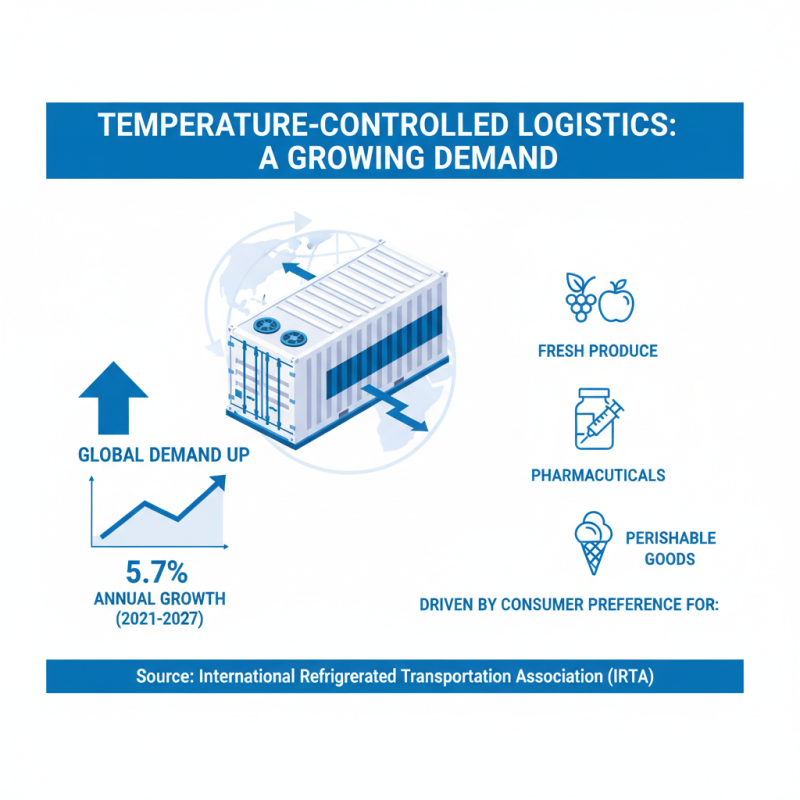
Refrigerated containers, also known as reefer containers, play a crucial role in the transportation of temperature-sensitive goods. According to the International Refrigerated Transportation Association (IRTA), the demand for temperature-controlled logistics has surged significantly, with a projected annual growth rate of 5.7% from 2021 to 2027. This growth reflects the rising consumer preference for fresh produce, pharmaceuticals, and other perishable items that require strict temperature management during transit.
One of the key benefits of using refrigerated containers is their ability to maintain consistent temperatures, ensuring the quality and safety of products such as seafood, dairy, and fresh fruits. A study published in the Journal of Food Protection highlighted that maintaining a stable temperature throughout the supply chain reduces spoilage rates by up to 30%. This is particularly important in the pharmaceutical sector, where products like vaccines must be transported at specific temperatures to remain effective. The use of reefer containers equipped with advanced monitoring systems allows shippers to track temperature fluctuations in real time, minimizing the risk of product loss.
Moreover, refrigerated containers facilitate global trade by enabling the transport of perishable goods over long distances. The United Nations reported that over 30% of food produced globally is wasted, primarily due to inadequate refrigeration during shipping. By utilizing reefer containers, businesses can ensure that their products reach consumers in optimal condition, thus reducing waste and increasing profitability. This adaptability not only supports a sustainable supply chain but also enhances market access for exporters dealing in sensitive commodities.
Flexibility in Shipping Various Types of Perishable Products
Refrigerated containers are an invaluable asset in the logistics of perishable products, offering unparalleled flexibility in shipping a diverse array of goods. These containers maintain consistent temperature control, making them suitable for various products, including fresh produce, dairy, seafood, and pharmaceuticals. This temperature stability helps extend shelf life and preserves the quality of these items during transport, allowing businesses to cater to different markets without compromising on freshness or safety.
Moreover, the versatility of refrigerated containers allows for tailored shipping solutions based on specific product needs. For instance, different temperature zones within a single container can accommodate multiple product types simultaneously, reducing the need for multiple shipments. This capacity not only streamlines logistics but also lowers shipping costs considerably. The adaptability of these containers means that businesses can switch between product types and volumes with ease, responding quickly to market demand and ensuring that they meet customer needs effectively.
Enhanced Food Safety and Quality Assurance During Transit
Refrigerated containers play a crucial role in maintaining food safety and quality during transit. By providing a controlled temperature environment, these containers ensure that perishable goods, such as fruits, vegetables, dairy products, and meats, are transported at optimal conditions. This temperature control is vital in preventing the growth of harmful bacteria and minimizing spoilage, which ultimately preserves the nutritional value and freshness of the products.
In addition to preventing spoilage, refrigerated containers offer enhanced quality assurance by allowing for precise monitoring of temperature and humidity levels throughout the shipping process. Advanced technologies embedded in these containers can track environmental conditions in real time, providing shippers with data that can be used to address any potential issues before products reach their final destination. This proactive approach not only safeguards the integrity of the food but also builds trust with consumers who are increasingly concerned about food quality and safety in the supply chain. By utilizing refrigerated containers, businesses can enhance their reputation while ensuring that they meet stringent food safety regulations and consumer expectations.
Top Benefits of Using Refrigerated Containers for Your Shipping Needs
Cost-Effectiveness of Using Refrigerated Shipping Solutions
Refrigerated containers, commonly known as reefer containers, have become a pivotal asset for businesses shipping perishable goods. One of the primary advantages of using these containers is their cost-effectiveness. Although there may be higher upfront costs associated with renting refrigerated units, the long-term savings are significant. By ensuring that products remain at optimal temperatures, businesses can reduce spoilage and waste, ultimately lowering overall costs.
Moreover, businesses can benefit from the versatile shipping options that refrigerated containers provide. This adaptability allows companies to explore markets they may not have previously considered, as the temperature-controlled environment mitigates the risks associated with transporting delicate items. This not only contributes to cost savings but can also lead to increased profitability through expanding product offerings.
Tips: When considering refrigerated shipping solutions, evaluate your specific needs and choose the appropriate container capacity to avoid unnecessary expenses. Additionally, ensure that your logistics partner has experience with temperature-controlled shipping to further enhance cost-effectiveness. Lastly, monitor your shipment closely during transit to make timely adjustments if any fluctuations occur, thus safeguarding your investment.
Environmental Impact and Energy Efficiency of Refrigerated Containers
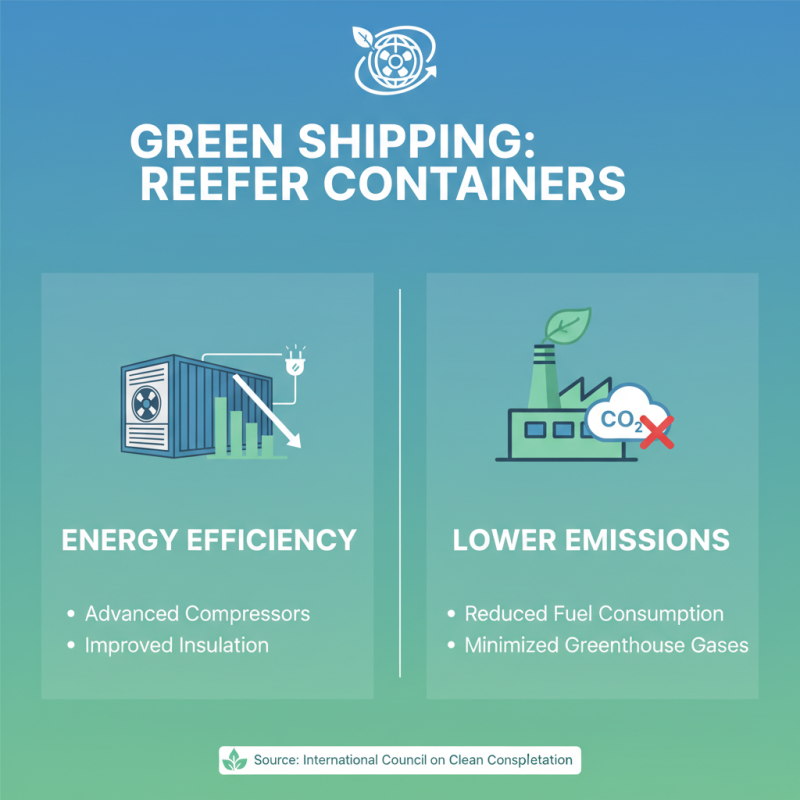
Refrigerated containers, often referred to as reefer containers, play a pivotal role in maintaining the cold chain for perishable goods during shipping. One of the major environmental advantages of using these containers is their ability to optimize energy efficiency. According to the International Council on Clean Transportation, advancements in refrigeration technology have led to a significant reduction in energy consumption. Modern refrigerated containers utilize more efficient compressors and insulation materials, enabling companies to transport goods at lower energy costs while minimizing greenhouse gas emissions.
Furthermore, a report by the Global Green Freight Association indicates that reefer containers equipped with advanced temperature control systems can enhance the sustainability of shipping practices. These systems not only ensure that products remain within optimal temperature ranges but also reduce the risk of spoilage, which is critical in mitigating food waste. The study highlights that effectively managing transport temperatures can lead to emission reductions of up to 20%, showcasing the environmental benefits of adopting energy-efficient refrigeration technologies in shipping. By lowering energy usage and enhancing waste management, refrigerated containers are proving to be a critical asset in the pursuit of a greener shipping industry.