How to Use a 40ft Container for Efficient Shipping and Storage?
The 40ft container has revolutionized the shipping and storage industries. According to John Carter, a logistics expert, “The efficiency of a 40ft container is unmatched.” Businesses are increasingly recognizing the potential of these containers. They offer flexible storage solutions and optimize shipping costs.
Using a 40ft container effectively requires careful planning. Space management is crucial. Packing strategies can determine how much cargo is transported at once. It's important to consider weight distribution to avoid overloading. The design of the container allows for both long-term storage and quick access.
Yet, challenges persist. Not all items fit neatly within the 40ft container's confines. There can be issues with humidity, pests, or damage over time. Companies must regularly assess their container management strategies. Balancing efficiency and safety will ultimately define success in utilizing these containers.

Understanding the Dimensions and Capacity of a 40ft Container
When considering a 40ft container, it's essential to understand its dimensions and capacity. A standard 40ft container measures approximately 40 feet long, 8 feet wide, and 8.5 feet high. This gives a total volume of around 2,390 cubic feet. Understanding this size can significantly impact your shipping and storage efficiency.
Loading a 40ft container can be tricky. It offers ample space but also requires planning. Large items can take up significant room, leaving little space for smaller goods. It's vital to visualize how to stack and arrange items effectively. Don’t be surprised if some items just won’t fit as planned. Adjustments may be necessary when you start loading. Always have a backup plan for unexpected challenges.
Capacity is another key factor. A 40ft container can typically carry around 30,000 pounds. However, keep in mind the weight distribution matters. Overloading one side can lead to problems. It’s crucial to weigh your items accurately. Containers provide a sturdy option for transport, yet they demand careful consideration of their handling.
Identifying Suitable Items for Storage and Shipping in a 40ft Container
When considering what to store or ship in a 40ft container, it's essential to think strategically. The large capacity allows for various items. You could fill it with furniture, appliances, or bulk goods. These are often the best candidates. Large products can maximize the use of space. However, be cautious about weight distribution to avoid shipping issues.
Smaller items can also fit well in a container. Packing boxes of books or clothing can efficiently utilize space. Use bubble wrap for fragile items. It’s tempting to overfill the container, but this can lead to problems. Keep in mind the need for accessibility. Consider items you may require access to before arrival. It’s a classic oversight to tightly pack everything with no thought.
Another aspect to consider is the stacking of items. Some people fail to stack properly, leading to damage. Make a clear plan for which items go where. Using pallets can help create stability. However, managing space is challenging. It often requires a trial-and-error approach. Not every decision will be perfect, but maintaining flexibility is crucial.
How to Use a 40ft Container for Efficient Shipping and Storage? - Identifying Suitable Items for Storage and Shipping in a 40ft Container
| Item Category |
Example Items |
Estimated Volume (Cubic Meters) |
Recommended Weight Limit (Kilograms) |
| Furniture |
Sofas, Chairs, Tables |
30 |
2000 |
| Electronics |
Televisions, Laptops, Appliances |
10 |
1500 |
| Automotive Parts |
Engines, Transmissions, Tires |
20 |
8000 |
| Clothing |
Apparel, Shoes, Accessories |
15 |
1000 |
| Machinery |
Generators, Heavy Equipment |
25 |
6500 |
Preparing and Packing Strategies for Efficient Container Use
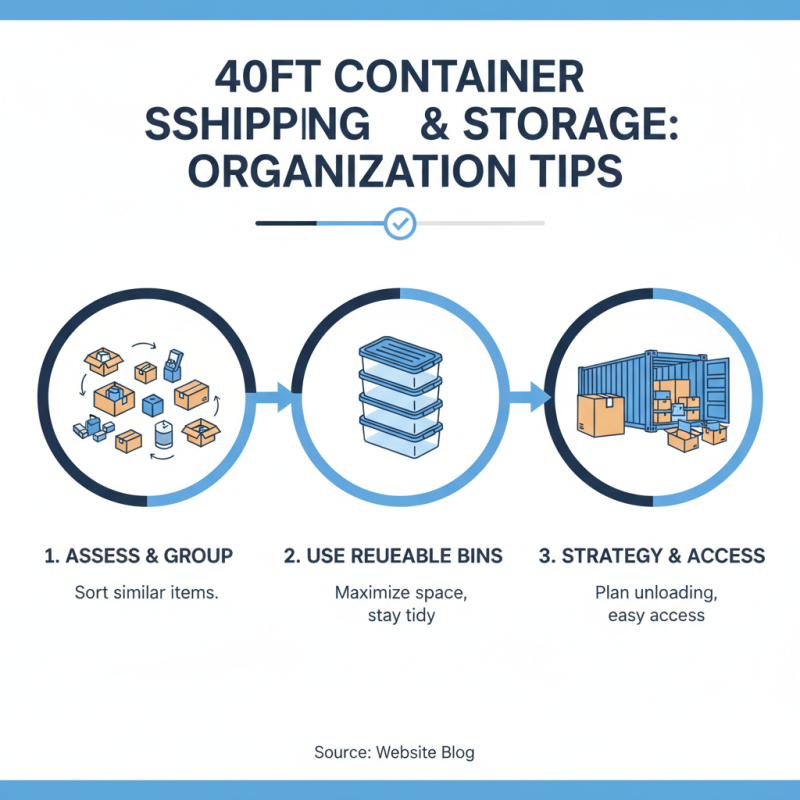
When preparing a 40ft container for shipping and storage, organization is key. Start by assessing the items you plan to pack. Group similar items together. This helps streamline unpacking later. Use reusable containers for smaller items. They maximize space and keep your container tidy.
Consider the weight distribution inside the container. Heavier items should go on the bottom. Lighter items can rest on top. This approach prevents shifting during transport. As you pack, leave some gaps for cushioning. Using packing material can help protect fragile items.
Reflect on your packing strategies. Did they utilize the space effectively? If not, think about how to rearrange items. It’s common to misjudge the space needed. Sometimes, it requires a second look. Aim for a balanced load. Balance ensures safe transport, reducing the risk of damage.
Best Practices for Loading and Securing Goods in a 40ft Container
Efficiently loading and securing goods in a 40ft container is crucial for shipping and storage. The right arrangement can maximize space and minimize damage. According to industry reports, about 25% of cargo loss occurs due to inadequate securing methods. Proper loading techniques can significantly reduce this risk.
Begin by assessing your cargo. Group heavier items at the bottom. This creates a stable base. Use dunnage, like wood or air cushions, to fill voids. This prevents shifting during transit. The World Shipping Council estimates that improper loading leads to over 90 million dollars in losses annually.
Securing the cargo is equally important. Use straps, nets, or chains to secure items. Ensure that they are tight but not overly restrictive. Approximately 32% of shipments are damaged without adequate securing methods. Regularly evaluate your loading techniques. Reflection can lead to improvements. Always keep safety and efficiency in mind when using a 40ft container.
Efficient Shipping and Storage: Best Practices for 40ft Containers
Maintenance and Care Tips for Long-Term Container Storage Solutions
Maintaining a 40ft container for effective storage requires attention and care. Regular inspection is vital. Look for rust spots and structural damage. A Report by the Container Owners Association highlights that 25% of containers incur damage during their lifecycle. This can lead to compromised integrity. Keep containers clean. Remove debris and dirt to prevent moisture accumulation. This simple task aids in extending the container’s lifespan.
Proper ventilation is essential. Stale air can cause mold. A study shows that about 60% of stored items degrade due to improper air flow. Create vents or use dehumidifiers when necessary. This minimizes humidity levels, which can foster mold and mildew. Monitor temperature variances, especially in extreme climates. Insulating containers can add another layer of protection.
Consider the placement of your container as well. Position it on stable ground to avoid shifting. This might lead to issues with doors not sealing properly. Regularly check seals and locks for wear. Repairing these small issues promptly can prevent bigger problems later. Remember, neglecting these factors may pose risks to your stored goods.