2026 Guide: How to Choose a 20 Foot Storage Container for Your Needs
Choosing the right storage solution can be challenging. A 20 foot storage container might be the perfect choice for many. These containers offer ample space for various storage needs, whether for personal use or business. They are widely used in logistics, construction, and even at homes.
When selecting a 20 foot storage container, consider your specific requirements. Think about items you need to store: furniture, equipment, or supplies? Each category has different considerations. A 20 foot storage container has a standard size, but internal dimensions can vary. This may affect how you organize the space.
Consider your set budget. While a 20 foot storage container might seem costly, it could save you money in the long run. Reflect on condition and availability. Buying a new container often comes at a premium. Explore used containers that might need repairs or upgrades. They offer value but require careful inspection. Don't rush your decision. Investing time in choosing the right container will pay off in convenience.
Understanding the Specifications of a 20 Foot Storage Container
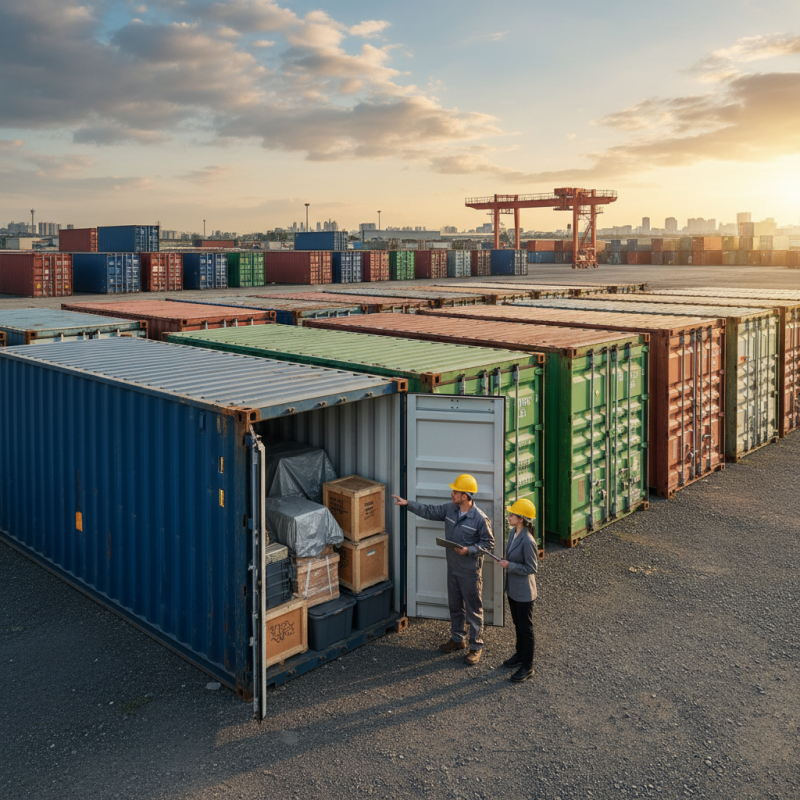
When choosing a 20-foot storage container, understanding its specifications is crucial. These containers generally measure around 20 feet long, 8 feet wide, and 8.5 feet high. They offer a volume of about 1,165 cubic feet. This size can accommodate various items, but it's essential to visualize what you plan to store. Knowing the dimensions helps you avoid overloading the container.
Consider the weight limit, typically around 4,500 kg. It’s easy to underestimate how heavy some items are. A few boxes may seem light, but combined weight can be substantial. You might need to rethink your packing strategy. Materials like wood and metal can take up space quickly. Sometimes, heavier items should be packed at the bottom for stability.
Ventilation is another key aspect often overlooked. Containers can trap moisture, leading to mold. Some containers come with ventilation options, but not all do. If you're storing sensitive materials, it may require extra planning. Reflection on what you truly need can prevent unnecessary expenses. Are you renting or buying? Each option has its benefits, so think carefully.
Assessing Your Storage Needs: Volume and Weight Considerations
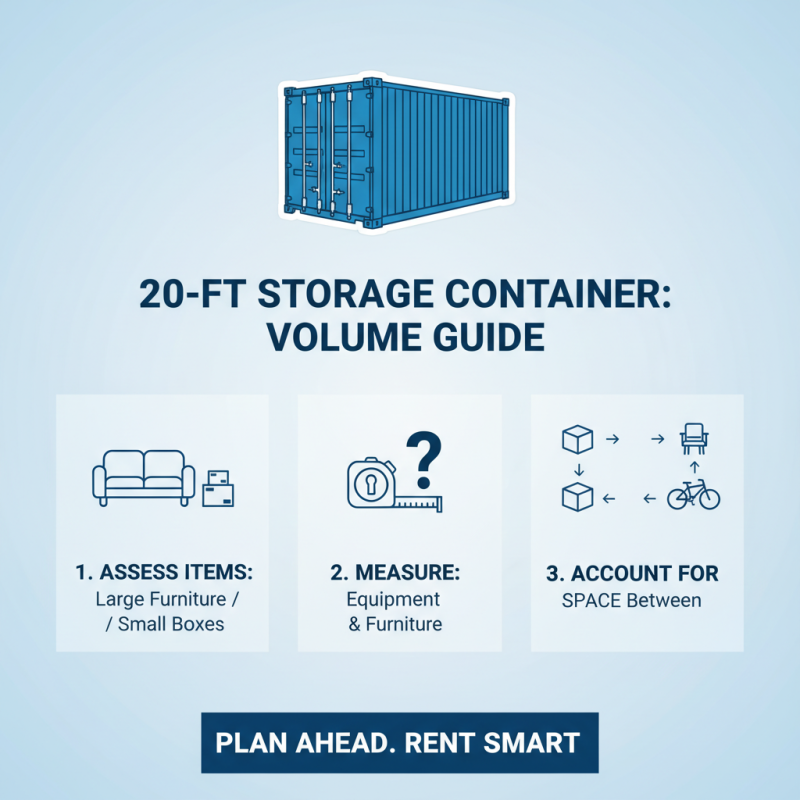
When choosing a 20-foot storage container, assessing your volume needs is crucial. Consider what you plan to store. Are these large items, or small boxes? Measure your furniture or equipment. Create a clear picture of your storage requirements. Use a tape measure to gauge your possessions accurately. Don’t forget about the space between items. This adds to the overall volume.
Weight is another important consideration. Many containers have weight limits. Ensure you know the weight of your items. Heavy machinery requires careful planning. You might end up overloading the container if you're not vigilant. If you're unsure, seek professional advice. It’s better to ask than to face problems later.
Lastly, keep your accessibility in mind. Think about how often you will need items. If frequent access is important, a more organized arrangement is essential. It can be tempting to cram everything inside. But, that can lead to frustration when you need something quickly. Take time to reflect on what you truly need to store and how you plan to access it.
Evaluating Container Materials and Durability Standards
When choosing a 20-foot storage container, consider the materials it’s made from. Common options include steel, aluminum, and high-density polyethylene. Steel containers offer strong protection against weather and physical damage. However, they may rust over time if not properly maintained. Aluminum is lighter and resists corrosion, but it can be more expensive. High-density polyethylene is lightweight and durable, yet may not withstand extreme conditions.
Durability standards are crucial in evaluating a container. Look for containers with weatherproof seals to keep your items dry. Containers should also resist pests and mold. Check the thickness of the walls; thicker materials often indicate better durability. Some containers may also have reinforced corners for extra strength. A well-constructed container can handle heavy loads and withstand harsh environmental conditions.
Don’t overlook the importance of ventilation. Containers without proper airflow can trap moisture, leading to decay or damage. It's essential to weigh options critically. Balancing cost with quality is tricky. You might find cheaper containers, but may regret sacrificing durability. Consider your storage needs carefully. The right container should last for years and protect your belongings effectively.
Comparing Rental vs Purchase Costs of 20 Foot Containers
When choosing a 20-foot storage container, costs can vary. Renting a container provides flexibility. You avoid long-term commitments and can use it as needed. Monthly rental fees are often lower at first. This seems appealing for short-term projects. However, over time, rental costs can add up.
Purchasing a container is a larger initial expense. Yet, it can be a wise investment. Ownership means no more monthly fees. You can modify the container for specific needs. But, maintenance costs may come into play. If you choose to buy, consider potential repairs. The decision to rent or buy should reflect your usage plans.
Think about how often you need storage. If it’s sporadic, renting might be better. But for frequent use, buying could save money. Reflect on your budget and long-term goals. Each option has its merits and drawbacks. Choose wisely based on current and future needs.
2026 Comparison of Rental vs Purchase Costs of 20 Foot Storage Containers
Exploring Delivery and Accessibility Options for Container Placement
When considering a 20-foot storage container,
delivery and accessibility are key factors. According to industry studies, nearly
70% of users cite placement difficulty as a
primary concern. Knowing how and where you can place the container is crucial before
making a decision. Some areas may have strict zoning laws, limiting installation options.
Accessibility also plays a significant role. The container should be easily reachable for
loading and unloading. Many users fail to account for the space required for trucks during
delivery. Some containers need a minimum of 30 feet
of clearance for maneuverability, which can be a challenge in tight spaces. Relying on
professional placement services may address this issue, but it can incur additional costs.
Consider the ground conditions as well. A level and stable foundation helps in preventing
shifting over time. Reports indicate that around 40%
of containers may experience settling issues if placed on unstable ground. Reflecting
on these accessibility factors can lead to a more satisfactory container experience.
Think through your options carefully to avoid future headaches.